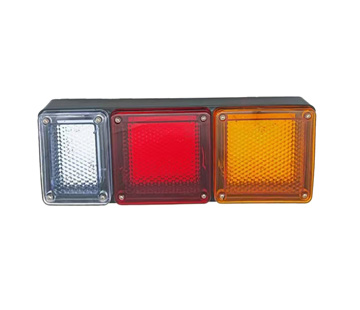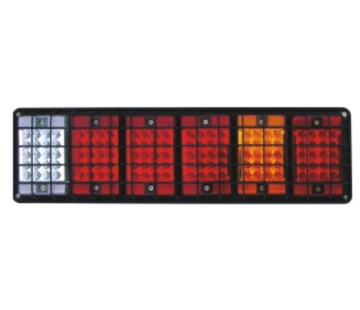
When it comes to enhancing the safety and visibility of commercial vehicles, one of the most crucial components is the rear light system. Rear lights on trucks and other commercial vehicles play an essential role in ensuring safe driving conditions, especially on highways and at night. These lights not only comply with traffic laws but also provide a significant safety advantage, helping to prevent accidents by making vehicles more visible to other drivers.
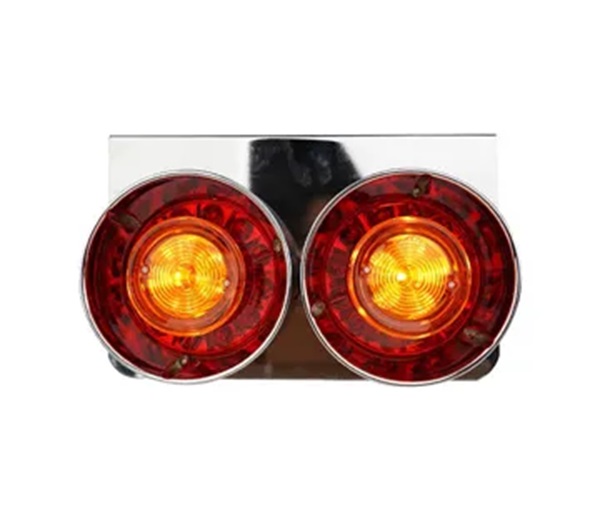
Commercial vehicle rear lights serve as a critical component for both safety and compliance on the road. Their primary function is to alert other drivers to the presence of a vehicle, especially when visibility is poor due to weather conditions or during nighttime driving. Rear lights are designed to make commercial vehicles, such as trucks and trailers, easily identifiable from behind. These lights not only enhance visibility but also help prevent rear-end collisions by signaling the vehicle's movements, such as stopping or turning. In many regions, commercial vehicle rear lights are a legal requirement, especially for large trucks and trailers, to ensure that these vehicles are visible to others on the road. This is particularly important in areas with high traffic or in low-light conditions where accidents are more likely to occur.
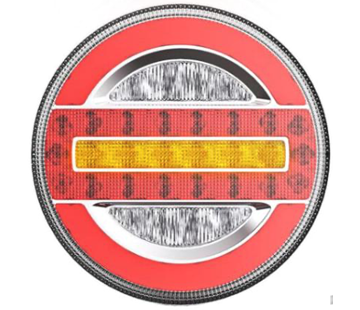
Furthermore, the integration of modern lighting technologies such as LED rear lights has revolutionized the safety features of commercial vehicle rear lights. These lights offer brighter, more energy-efficient illumination, which significantly improves visibility for both drivers and pedestrians. The importance of having functioning rear lights cannot be overstated, as malfunctioning or missing lights could result in traffic violations or, even worse, accidents that could have been easily prevented with proper illumination.
One of the most significant advantages of rear lights on commercial vehicles is their ability to improve nighttime visibility. When driving in the dark, a commercial vehicle without properly functioning rear lights is a danger not only to the driver but to others on the road as well. Properly working rear lights signal the presence of a truck, trailer, or commercial vehicle, allowing other drivers to adjust their speed and distance accordingly.
The rear lights are designed to be visible from a distance, ensuring that even in the darkest conditions, other drivers can detect the vehicle from afar. This is particularly important on highways and busy roads where high-speed driving is common. Moreover, the bright illumination from rear lights ensures that a commercial vehicle can be clearly seen by drivers in different weather conditions, including fog, rain, or snow, when visibility is significantly reduced.
With advancements in lighting technology, many commercial vehicles are now equipped with LED rear lights. These LED lights not only shine brighter but also have a longer lifespan compared to traditional incandescent bulbs, ensuring that drivers can depend on them for the long haul. This innovation has made it easier for truck drivers to navigate through challenging conditions while enhancing their safety on the road.
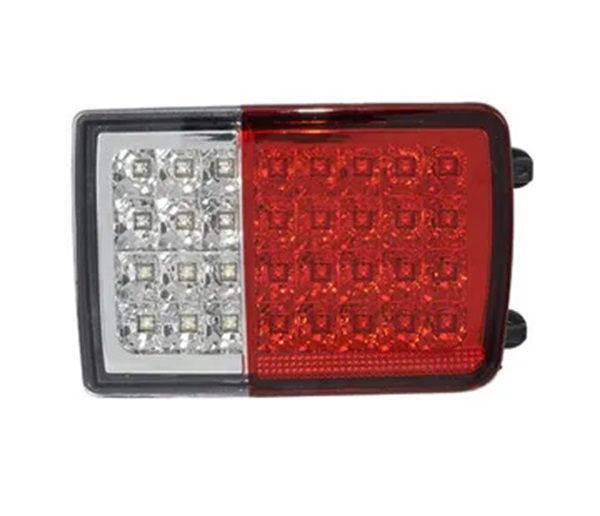
The primary function of commercial vehicle rear lights is to prevent accidents by increasing the visibility of trucks and trailers on the road. Accidents often occur when other drivers fail to notice a vehicle, particularly in low-light conditions, which can result in rear-end collisions. Commercial vehicle rear lights serve as an early warning signal, alerting other drivers to slow down, change lanes, or adjust their driving to maintain a safe distance.
In addition to their visibility function, modern rear lights are often integrated with other lighting systems, such as brake lights, turn signals, and hazard lights, to create a comprehensive signaling system that improves communication between drivers. When a commercial vehicle stops, turns, or changes lanes, the rear lights work in conjunction with other vehicle lights to indicate these movements clearly, allowing other drivers to anticipate the vehicle's actions and adjust their driving accordingly. This coordination between rear lights and other lighting systems is particularly crucial when navigating busy streets or highways with high traffic volumes.
Furthermore, commercial vehicles equipped with LED rear lights provide superior lighting performance, making them more visible to other road users. The improved brightness and responsiveness of LED lights reduce the chances of an accident caused by a lack of visibility. With faster illumination and brighter outputs, LED rear lights are becoming the standard for commercial vehicles looking to maximize safety and visibility.
For companies operating large fleets of commercial vehicles, ensuring that all vehicles are equipped with proper rear lights is an essential aspect of fleet management. Maintaining rear lights in optimal condition is not only necessary for safety but also for compliance with regulations. Fleet operators need to regularly inspect rear lights and replace any damaged or non-functional lights to prevent safety risks and avoid penalties.
In conclusion, the importance of commercial vehicle rear lights cannot be overstated. These lights are essential for ensuring safety on the road, enhancing nighttime visibility, and complying with legal regulations. Whether equipped with traditional incandescent bulbs or modern LED lights, commercial vehicle rear lights play a vital role in preventing accidents and improving overall road safety. By understanding their functions and maintaining them properly, fleet operators and drivers can ensure their vehicles are safe and compliant, contributing to safer roadways for all.
 English
 العربية
 русский