Truck fender flares are essential accessories that enhance both the functionality and aesthetic appeal of your vehicle. These components cover the wheel-wells, preventing debris, mud, and rocks from being thrown onto the vehicle's body and windows. Understanding the nuances of truck fender flares can help you make informed decisions about installation, type, and maintenance for your vehicle's specific needs. Whether you're in the trucking industry or a casual driver interested in maximizing your truck's capabilities, this comprehensive guide offers valuable insights into the purpose, variety, installation, benefits, and upkeep of fender flares.
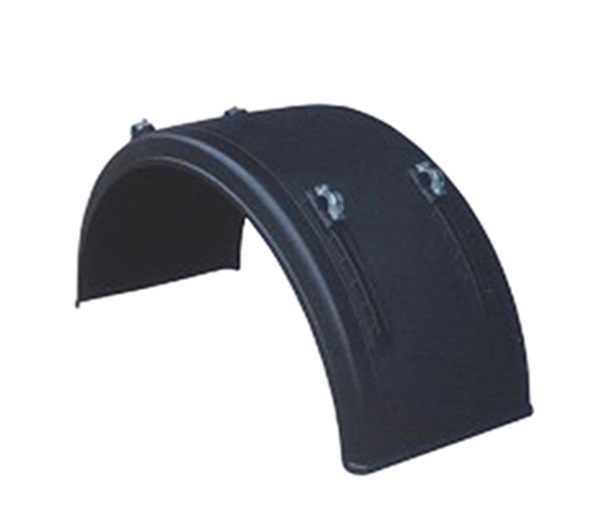
Fender flares serve a critical role in both protective and aesthetic enhancement of a truck. Their primary purpose is to extend the coverage of the wheel well, providing a barrier against road debris that could potentially damage the vehicle's body or windows. Fender truck accessories such as these are instrumental in complying with local laws that often mandate coverage for oversized tires, preventing unlawful exposure on public roads.
Furthermore, fender flares contribute to the truck's rugged look and can be customized to match personal style preferences. When combined with heavy duty truck fenders, they provide a unique combination of toughness and elegance.
Benefit | Explanation |
Protection | Safeguards against mud, stones, and debris hitting the truck body |
Legal Compliance | Ensures coverage for oversized tires as required by law |
Aesthetic Enhancement | Provides a rugged and stylish look to vehicles |
Fender flares come in various styles, each designed to meet specific needs and preferences. Among the popular types are OE style, pocket style, and street style fender flares. Semi truck fenders often employ OE styles that blend seamlessly with the vehicle, mimicking factory-installed parts.
For more aggressive enhancements, semi truck full fenders and pocket styles offer wider coverage and a bolted look which suits trucks with lifted suspensions or larger tires, providing the necessary protection and visual impact. Single axle trailer fenders are also pertinent for smaller trailers, emphasizing easy maintenance and installation.
Type | Features | Ideal Usage |
OE Style | Factory-matching design, subtle | Factory-style appearance, minimal impact |
Pocket Style | Bolted look, broad coverage | Lifted trucks, large tire coverage |
Street Style | Streamlined, sleek | Urban appearance, non-aggressive |
Installing fender flares requires careful planning and execution to ensure proper fitment and longevity. First, gather all necessary tools including drill, screwdriver, and the respective flare hardware kit. If opting for fender clip installation, make certain appropriate clips and fasteners are included.
Begin by removing existing mudflaps or fender car parts that could hinder installation. Align the flare against the truck's body, verifying alignment is correct before marking drill points or clip placement. This often paramountly applies in fender on trailer setups, where precision ensures maximum protection.
Installation Step | Action |
Preparation | Gather tools and flares, remove obstructions |
Alignment | Position fender flare, confirm alignment |
Attachment | Drill or clip application |
Installing fender flares provides multiple benefits ranging from protective to aesthetic improvements. Not only do they safeguard the vehicle from road hazards such as rocks and debris, but fender flares also enhance its visual appeal. The addition of heavy duty truck lights further accentuates the capability and ruggedness of a truck.
For commercial trucks, integrating led truck tail lights with fender flares offers increased visibility on roads, ensuring safety and compliance. Furthermore, with the inclusion of license plate light assembly, trucks achieve enhanced illumination, improving night-time operations.
Benefits | Details |
Protection | Safeguards against debris and wear |
Visibility | Enhanced light integration improves safety |
Aesthetic Appeal | Adds a tough, stylish edge |
To ensure fender flares endure through the rigors of driving, regular maintenance is necessary. Begin with regular cleaning to remove dirt and grime which can degrade appearance over time. Utilize specific cleaning products meant for automotive finishes and protective rubber damper agents to maintain flexibility and conditioned look.
Check for any loose attachments or wear in the fender trailer for sale kits, securing any weak points to prevent detachment while driving. Regular inspections can identify semi truck fenders for sale that may require replacement or upgrades to afford ongoing protection and durability.
Maintenance Task | Description |
Cleaning | Remove dirt and grime using automotive products |
Inspection | Regular checks for attachments and wear |
Conditioning | Apply rubber dampers for flexibility and longevity |
The integration of truck rear lights with fender flares provides not only enhanced safety but advances aesthetic appeal, benefiting both commercial and personal vehicles. Knowledge and application of proper truck fender flares ensure the vehicle can withstand various road conditions while maintaining its visual integrity.
Whether used for protection, legal compliance, or aesthetic enhancement, fender flares are vital truck accessories that require both informed selection and consistent upkeep to maximize their utility and lifespan.
 English
 العربية
 русский