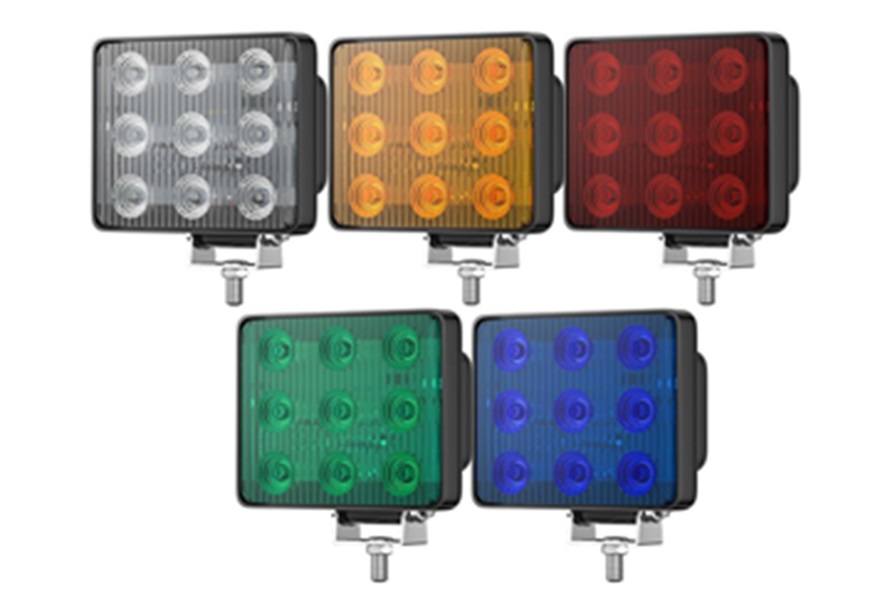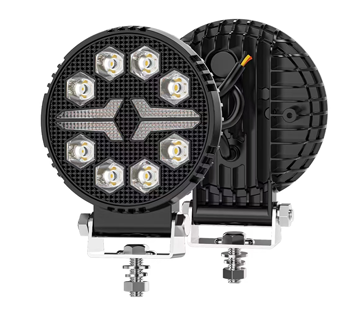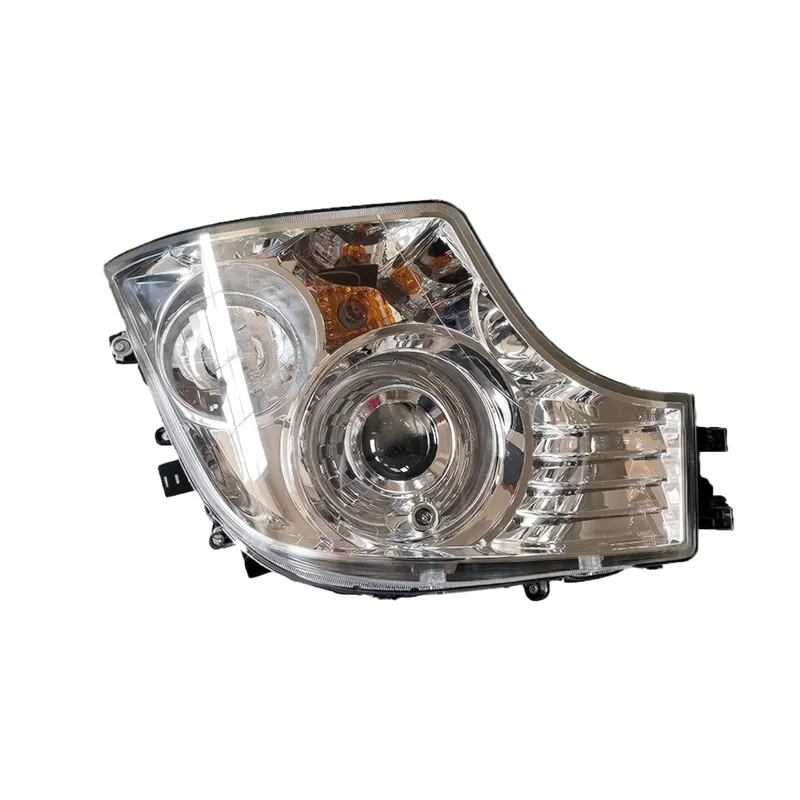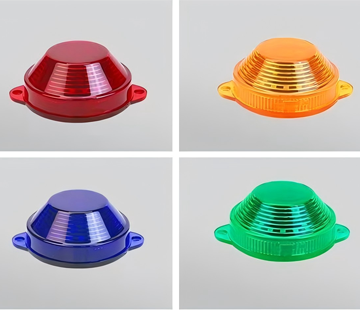
A trustworthy truck light manufacturer is not simply the one offering the lowest price. Instead, it is a supplier capable of delivering consistent product quality, backed by verified testing processes and stable performance across different production batches. In practice, a dependable truck lamp manufacturer focuses on long-term reliability rather than short-term cost advantages, helping buyers reduce risk and secure lasting value.
In the truck lighting industry, focusing only on price can be misleading. While a lower upfront cost may seem attractive, it can quickly lead to higher expenses if the product fails during use, triggers customer complaints, or requires frequent replacements. Although many buyers initially prioritize unit pricing, long-term procurement risk is far more critical.
A supplier that cannot maintain consistent quality across batches creates uncertainty, meaning that even a well-performing sample may not represent the final delivered goods. Experienced buyers therefore look beyond product catalogs and pricing sheets when choosing a truck light manufacturer. They seek evidence that the factory has strong quality control systems, can minimize defects, and provides reliable after-sales support.
A professional truck lamp manufacturer should evaluate products based on real-world operating conditions rather than appearance alone. This includes testing how the lights perform under vibration, exposure to moisture, high temperatures, and extended usage.
Essential testing procedures typically include waterproof validation, vibration resistance checks, thermal endurance assessments, and photometric performance evaluations. These tests confirm that the lighting products function correctly, maintain brightness, and withstand demanding environments. In addition, maintaining color consistency is particularly important for LED products, as variations between batches can result in mismatched installations and customer dissatisfaction.
Inspection systems based on CNAS standards provide buyers with greater confidence by ensuring that testing processes are both standardized and traceable. This means the truck light manufacturer is not only claiming that products have passed testing, but can also demonstrate that these tests follow recognized procedures and methodologies.
Consistency in quality depends heavily on repeatable processes. When a truck lamp manufacturer uses the same equipment, testing criteria, and inspection protocols for every production run, it significantly increases the likelihood of delivering uniform results. For buyers, this reduces uncertainty and allows for more objective comparisons between suppliers based on documented performance rather than verbal assurances.
A 100% inspection process involves examining every unit before shipment instead of relying solely on sampling methods. In the context of truck lighting, this approach is especially valuable because even a single defective unit can lead to customer complaints or unnecessary returns.
While sampling can detect general quality trends, it may overlook isolated defects within a batch. Full inspection helps identify visible flaws, assembly issues, and functional failures before products reach the customer. However, even the most experienced truck light manufacturer must combine full inspection with strong process control to ensure defects are prevented during production, not just filtered out at the end.
Before selecting a truck light supplier, buyers should evaluate the manufacturer’s quality control capabilities and production processes. The focus should be on verifying whether the truck lamp manufacturer can consistently deliver reliable results rather than relying on marketing claims.
Buyers should seek clarity on the types of tests conducted for each batch, request access to inspection records or test reports, and understand whether testing is performed internally or verified by third parties. It is also important to know how the supplier manages defective products and maintains consistency across repeat orders. Clear, well-documented answers to these questions indicate a more dependable partner, while vague or unsupported responses often signal potential risks.
A dependable LED truck light manufacturer demonstrates reliability through transparency in its processes. This includes clearly explaining how products are tested, how defects are handled, and how each shipment is inspected before delivery. Strong communication is another key factor, as delays or unclear responses can increase the cost and complexity of resolving quality issues. Additionally, a capable truck lamp manufacturer can balance customization with consistency. It should be able to adapt products to specific customer requirements without compromising quality standards or production stability.
| Key Sign | Buyer Value |
| Transparent testing process | Buyers can evaluate quality with more confidence. |
| Clear defect handling | This reduces quality disputes and hidden risks. |
| Shipment-level inspection | Buyers lower the chance of receiving inconsistent products. |
| Strong communication | Faster communication lowers the cost of resolving quality issues. |
| Customization with consistency | Buyers get flexibility without sacrificing reliability. |
One frequent mistake buyers make is selecting a supplier based solely on a low quotation. This approach often overlooks critical factors such as testing standards, batch consistency, and after-sales service. Another common issue is assuming that an approved sample guarantees identical quality in mass production, which is not always the case if the truck light manufacturer lacks strict quality control processes. Buyers also sometimes neglect to request supporting documentation. Without access to test reports, inspection data, or a clearly defined quality control system, it becomes difficult to accurately assess whether a truck lamp manufacturer is truly reliable.
A reliable manufacturer delivers consistent quality, clear testing records, and stable batch performance. It does not rely on marketing claims alone.
Because poor quality can lead to returns, complaints, and replacement costs. The cheapest product is not always the lowest-risk choice.
At minimum, it should test waterproofing, vibration resistance, thermal performance, brightness, and color consistency.
It refers to inspection carried out under a recognized and traceable testing system. For buyers, it adds credibility to the supplier’s quality claims.
Because it checks every unit before shipment and reduces the chance of defective products reaching the customer.
When evaluating a truck light manufacturer, it is essential to look beyond pricing and product images. Greater emphasis should be placed on testing standards, inspection procedures, documentation, and batch consistency.
The most reliable truck lamp manufacturer is one that can demonstrate a proven quality control system through verifiable evidence rather than simple claims. For B2B buyers, this distinction determines whether a supplier becomes a one-time vendor or a long-term strategic partner.
 English
 العربية
 русский