Commercial vehicles operate in demanding environments where visibility is directly linked to safety and efficiency. Whether transporting goods across highways, working on construction sites, or performing municipal services, reliable commercial vehicle lighting helps drivers see clearly while making vehicles more visible to surrounding traffic. As fleet operators place greater emphasis on road safety, durability, and regulatory compliance, modern lighting systems have become a critical investment rather than a simple accessory.
Today's commercial vehicle LED lights provide significant advantages over conventional lighting technologies. They offer brighter illumination, lower energy consumption, faster response times, and longer service life, making them ideal for heavy-duty trucks, trailers, buses, and specialized commercial vehicles. Choosing the right lighting solution, however, requires understanding the different lighting systems, their functions, and the factors that determine product quality.
This guide explains the major types of commercial vehicle lighting, how each lighting component contributes to vehicle safety, and what buyers should consider when sourcing products from a professional truck light manufacturer.
Commercial vehicle lighting refers to the complete lighting system installed on commercial vehicles to improve visibility, communicate vehicle movements, and ensure safe operation under different driving conditions. Unlike passenger vehicles, commercial trucks often operate for extended hours, carry oversized loads, and travel through challenging environments, making dependable lighting even more important.
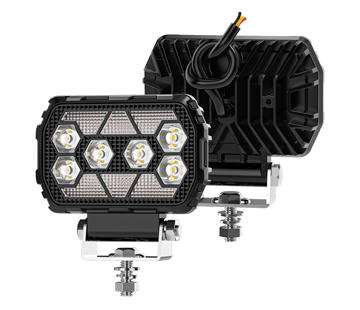
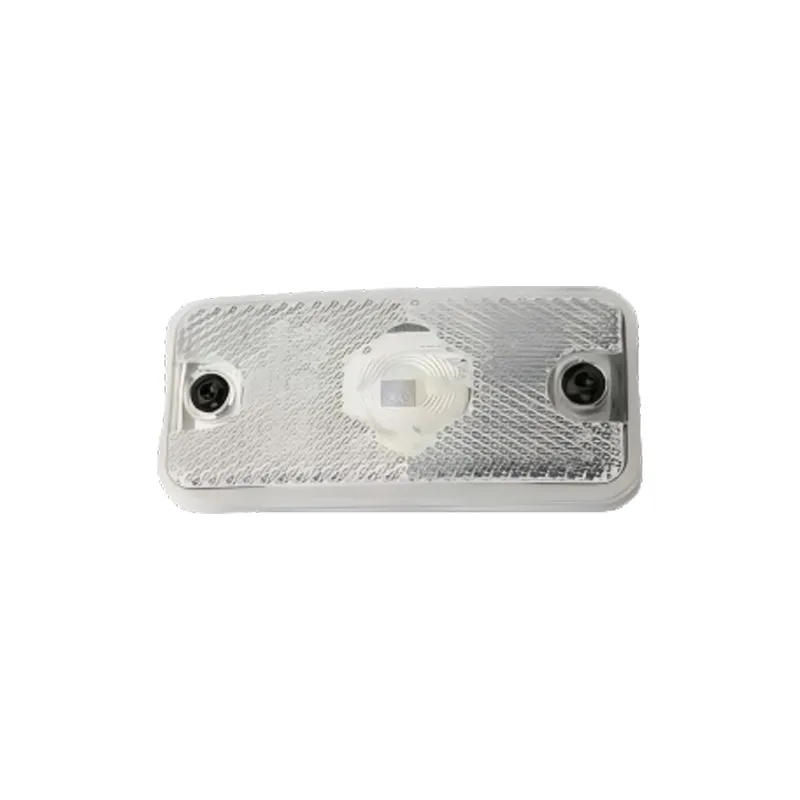
Modern commercial truck lighting includes headlights, truck tail lights, side marker lights, work lights, warning lights, clearance lights, and license plate lights. Together, these components help drivers navigate safely while allowing pedestrians and other road users to recognize the vehicle's position, size, and direction.
Compared with traditional halogen lamps, commercial vehicle LED lights provide better durability and require less maintenance. Their resistance to vibration, moisture, and harsh weather makes them a preferred solution for logistics fleets, construction equipment, agricultural machinery, and public service vehicles.
The main advantages of modern commercial vehicle lighting include:
Improved visibility during day and night operation.
Higher energy efficiency and lower power consumption.
Longer service life with reduced maintenance requirements.
Better durability in demanding commercial environments.
Commercial vehicles rely on several lighting systems, each designed for a specific safety function. Selecting the appropriate combination of lights helps improve operational safety while meeting transportation regulations.
| Lighting Type | Primary Function |
|---|---|
| LED Headlights | Illuminate the road ahead for safe driving during low-light conditions |
| Truck tail lights | Indicate braking, turning, and rear vehicle position |
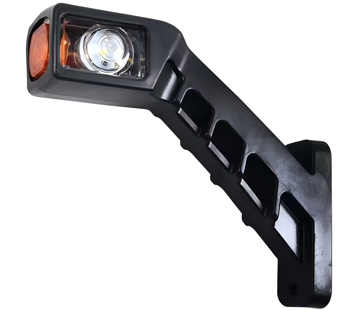
| Side marker lights | Improve side visibility and show vehicle dimensions |
| Fog Lights | Enhance visibility in rain, snow, dust, and fog |
| Work Lights | Provide illumination for loading, maintenance, and construction operations |
| Commercial vehicle warning lighting | Alert surrounding traffic during roadside work or emergency situations |
By combining these lighting systems, fleets can build a comprehensive commercial vehicle lighting solution that improves visibility while supporting safer daily operations.
Every lighting component on a commercial vehicle has a specific role, and understanding these functions helps buyers choose products that best fit their fleet requirements.
Among the most important are truck tail lights, which provide brake signals, rear position lighting, and turn indications for following vehicles. High-quality LED tail lights respond faster than conventional bulbs, giving drivers behind more time to react and helping reduce the risk of rear-end collisions.
Side marker lights improve visibility from the sides of long commercial vehicles. Because trucks and trailers often occupy multiple lanes when turning or changing direction, these lights make it easier for surrounding traffic to judge vehicle length and width, particularly at night.
License plate lights are smaller components but remain essential for regulatory compliance. They ensure that registration information remains clearly visible in low-light environments. Clearance lights and side lights further enhance vehicle recognition by outlining the overall dimensions of large trucks.
Together, these lighting systems create a complete commercial truck lighting solution that improves safety, visibility, and compliance throughout daily operations.
Effective commercial vehicle lighting plays a vital role in reducing traffic accidents and supporting regulatory compliance. Proper illumination allows drivers to detect road hazards earlier while making commercial vehicles more visible to pedestrians and surrounding traffic.
High-quality lighting is particularly important for trucks operating at night, in heavy rain, or during fog. Brighter and more consistent illumination helps improve driver reaction time and reduces the likelihood of collisions caused by limited visibility.
Lighting systems also contribute to legal compliance. Many transportation authorities require commercial vehicles to be equipped with functioning headlights, truck tail lights, marker lights, license plate lights, and commercial vehicle warning lighting where applicable. Failure to maintain these systems may result in vehicle inspections, penalties, or operational delays.
For fleet operators, investing in durable commercial truck lighting not only improves safety but also reduces maintenance costs by minimizing lighting failures and vehicle downtime.
Selecting a reliable supplier is just as important as choosing the lighting products themselves. A professional truck light manufacturer should provide consistent quality, stable production capacity, and products that meet international safety standards.
When evaluating manufacturers, buyers should follow a structured process:
Identify the vehicle type and operating environment.
Confirm required certifications and regulatory compliance.
Evaluate the manufacturer's production capability and quality control system.
Review customization options, including voltage, connectors, mounting methods, and lens designs.
Assess technical support, warranty service, and long-term supply capability.
Working directly with an experienced truck light manufacturer often provides better quality assurance, competitive pricing, and stronger technical support than purchasing from multiple distributors.
As a professional supplier specializing in commercial vehicle lighting, JSHY Auto Parts offers a wide range of commercial vehicle LED lights for trucks, trailers, buses, agricultural machinery, and other heavy-duty vehicles. With extensive manufacturing experience and strict quality management, the company supports OEM, ODM, wholesalers, and fleet customers worldwide.
Commercial vehicle lighting includes all lighting systems installed on commercial vehicles, such as headlights, truck tail lights, side marker lights, warning lights, and work lights that improve visibility and road safety.
Commercial vehicle LED lights offer higher brightness, lower power consumption, longer service life, and greater resistance to vibration and harsh weather than conventional halogen lights.
Side marker lights improve the visibility of large commercial vehicles from the side, helping other drivers recognize vehicle length and width, especially at night.
Commercial vehicle warning lighting is commonly installed on emergency vehicles, road maintenance trucks, construction equipment, and utility vehicles to warn surrounding traffic during operations.
Choose a truck light manufacturer with proven manufacturing experience, international certifications, comprehensive quality testing, customization capabilities, and dependable after-sales support.
 English
 العربية
 русский