Proper lighting is essential for trailer safety, visibility, and legal road operation. Unlike passenger vehicles, trailers often rely entirely on external lighting systems to communicate braking, turning, and vehicle position information to other drivers. Choosing the right light trailer solution can improve road safety, reduce maintenance issues, and ensure reliable performance in different weather conditions.
Modern trailer lighting systems include tail lights, marker lights, brake lights, and LED lighting solutions designed for different trailer applications. Understanding the differences between trailer tail light, marker lights, wiring systems, and installation requirements helps trailer owners and manufacturers select the right products.
This guide explains the main types of trailer lights, common problems, and how to choose reliable lighting solutions for different trailer applications.
A light trailer lighting system is designed to provide visibility and safety signals for trailers used in transportation, logistics, agriculture, construction, and recreational applications. These lighting components allow other road users to identify the trailer’s position, movement, and braking actions.
Trailer lighting systems typically include rear lights, brake lights, turn signals, side marker lights, and reflective components. Because trailers may operate in different environments, lighting products must provide reliable performance against vibration, moisture, dust, and road conditions.
Compared with traditional lighting products, modern LED trailer solutions offer better efficiency, longer service life, and stronger durability. High-quality trailers light products help reduce maintenance frequency while providing clearer visibility during nighttime and poor weather conditions.
For trailer manufacturers and users, selecting suitable lighting components is an important step in improving transportation safety and ensuring compliance with road regulations.
Different trailer applications require different lighting components. Each light serves a specific function, from indicating vehicle position to improving visibility during braking or turning.
| Trailer Light Type | Main Function | Common Application |
|---|---|---|
| Trailer Tail Light | Provides rear lighting and brake signals | Utility trailers, cargo trailers |
| Trailer Marker Light | Indicates trailer width and position | Large trailers and commercial trailers |
| Trailer Rear Lights | Improves rear visibility and safety | Transport and towing applications |
| Tailboard Lights for Trailers | Combines multiple rear lighting functions | Heavy-duty trailer systems |
A trailer tail light is one of the most important components because it provides brake signals and rear visibility. A properly functioning tail light helps following drivers understand trailer movement and improves overall road safety.
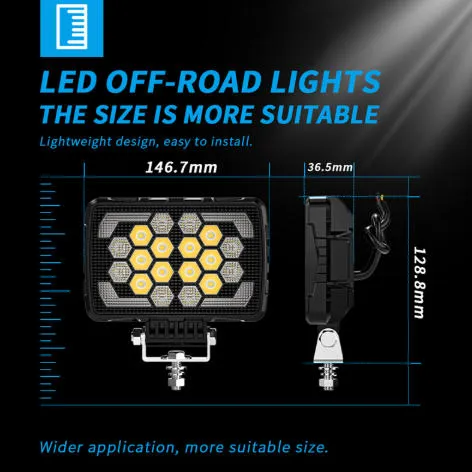
Trailer marker lights are mainly used to show the trailer’s size and position, especially for wider commercial trailers. They are particularly useful when trailers operate at night or in low-visibility conditions.
Modern LED designs are increasingly popular because they provide brighter output, lower energy consumption, and better resistance to vibration compared with traditional bulbs.
Although marker lights and tail lights are both important parts of trailer lighting systems, they serve different purposes.
Trailer marker lights are designed to show the trailer’s outline and position. They are usually installed on the side or upper areas of trailers to make the vehicle easier to identify from different angles.
A trailer tail light, on the other hand, focuses on rear visibility and signaling functions. It usually combines tail lighting, brake lighting, and turn signal functions in one housing.
For commercial trailers, using both marker lights and tail lights creates a complete visibility system. This combination helps other drivers understand trailer dimensions, speed changes, and movement direction.
Choosing the right combination of lighting components depends on trailer size, application requirements, and operating environment. Heavy-duty trailers often require stronger lighting solutions because they experience longer operating hours and harsher road conditions.
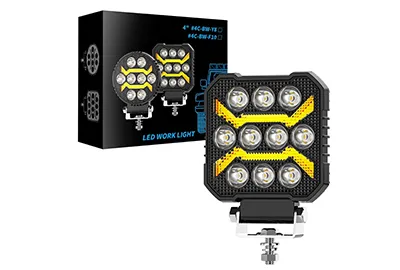
LED technology has become the preferred choice for many trailer lighting applications because of its reliability and efficiency. When selecting LED lights for trailers, users should consider several important factors.
Key selection considerations include:
Lighting function: Determine whether the light is needed for braking, signaling, marking, or general visibility.
Durability requirements: Choose products that can withstand vibration, water exposure, and outdoor conditions.
Brightness performance: Select suitable brightness levels for safe visibility without excessive glare.
Installation compatibility: Ensure the lighting system matches the trailer wiring and mounting structure.
Service life: LED products with longer operating life can reduce replacement and maintenance costs.
For example, tailboard lights for trailers are often used on larger trailer systems because they combine multiple lighting functions into a single installation area. For smaller utility trailers, compact LED tail lights may provide sufficient visibility.
JSHY Autoparts provides automotive lighting solutions designed for trailers and commercial vehicle applications, helping customers select reliable lighting products for different transportation needs.
Trailer lighting problems are often caused by wiring issues, moisture exposure, damaged components, or poor connections. Regular inspection and proper maintenance can help prevent unexpected failures.
Common issues include:
Dim or flickering lights caused by unstable electrical connections.
Non-functioning brake lights caused by wiring damage or component failure.
Water intrusion caused by damaged light housing seals.
Corrosion on connectors due to long-term outdoor exposure.
Proper wiring is essential for trailer lighting reliability. The connection between the towing vehicle and trailer should be checked regularly to ensure stable power transmission.
Using high-quality LED lighting products can also reduce maintenance problems because LED systems generally provide better resistance to vibration and environmental conditions compared with traditional lighting solutions.
Trailer lights provide visibility and safety signals, including braking, turning, and trailer position information for other road users.
A trailer tail light is a rear lighting component that provides tail illumination, brake signals, and sometimes turn signal functions.
Trailer marker lights show the width and position of a trailer, helping other drivers recognize its size and location.
Yes. LED lighting solutions usually provide higher efficiency, longer service life, and better durability compared with traditional bulbs.
Common causes include wiring problems, damaged connectors, moisture exposure, corrosion, or failed light components.
Commercial trailers often require durable LED solutions, including trailer rear lights and marker lights designed for long-term operation.
 English
 العربية
 русский