Off-road driving provides unique experiences, from exploring remote trails to handling challenging outdoor environments. However, factory vehicle lighting is often not enough for nighttime adventures, rough terrain, and unpredictable weather conditions. Installing high-quality LED off road lights is an effective way to improve visibility, safety, and vehicle customization. Modern off-road lighting systems provide stronger illumination, better durability, and more flexible installation options compared with traditional lighting solutions. Whether you drive an SUV, truck, ATV, or specialized off-road vehicle, the right lighting setup can help you identify obstacles earlier and navigate difficult environments with greater confidence. From compact auxiliary lamps to powerful light bars, LED off road lights are available in different designs to meet various driving requirements. Understanding beam patterns, mounting positions, and application needs is essential for building an efficient and personalized lighting system.
LED off road lights are specialized lighting products designed to improve visibility for vehicles operating outside standard road conditions. Unlike regular vehicle headlights, these lights are developed to provide stronger illumination, wider coverage, and better performance in environments such as trails, deserts, forests, and construction areas.
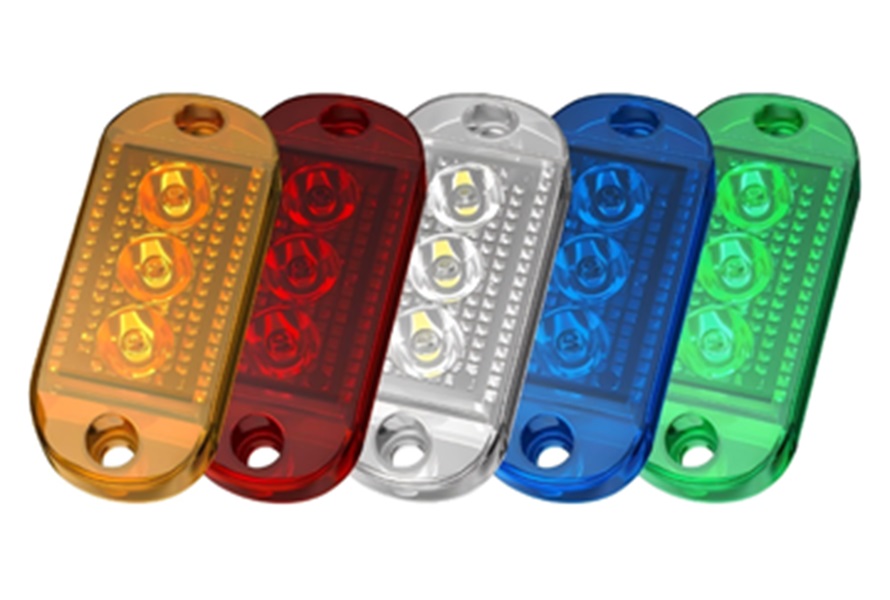
Off-road lighting systems include different types of products, such as light bars, spotlights, floodlights, and auxiliary lamps. These solutions are commonly used on trucks, SUVs, ATVs, UTVs, and other recreational or professional vehicles.
The main advantage of modern offroad LED lights is their ability to deliver high brightness while maintaining low energy consumption. LED technology also provides better resistance against vibration, dust, moisture, and temperature changes, making it suitable for demanding outdoor conditions.
Compared with traditional lighting options, LED off road lamps offer longer service life and more flexible installation possibilities. Drivers can customize their lighting systems based on their specific needs, whether they require long-distance visibility, wide-area illumination, or additional work lighting.
Off-road environments are very different from normal driving conditions. Unpaved roads, uneven terrain, limited visibility, and unexpected obstacles create additional challenges that standard headlights may not handle effectively.
Additional LED off road lighting helps drivers see beyond the limited range of factory lighting systems. Improved illumination allows them to identify rocks, branches, steep slopes, and other potential hazards earlier.
Extra lighting is especially useful for:
Nighttime trail driving and outdoor exploration
Construction and agricultural applications
Emergency and recovery operations
Camping and adventure vehicles
For professional users, reliable lights for off road vehicles can improve operational efficiency and safety. Workers operating vehicles in remote areas often depend on powerful lighting systems to complete tasks after sunset or in poor weather conditions.
For recreational drivers, upgrading with an advanced offroad light setup provides better control and confidence when exploring unfamiliar terrain.
Choosing the right type of lighting is an important step when designing an off-road vehicle setup. Different lighting products serve different purposes, and selecting the correct combination can significantly improve visibility.
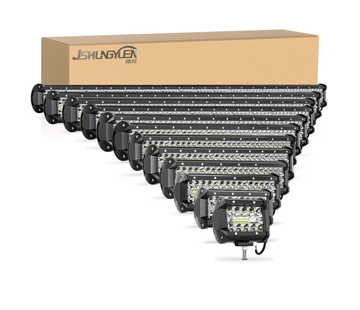
LED light bars are one of the most popular choices for off-road vehicles. They provide broad illumination and are suitable for general trail driving, outdoor adventures, and situations where wide visibility is required.
Spot lights are designed for long-distance illumination. Their focused beam allows drivers to see farther ahead, making them useful for high-speed off-road driving and open environments.
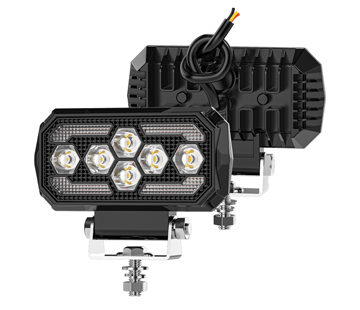
Work lights provide wider, shorter-range illumination around the vehicle. They are commonly used for vehicle repairs, loading equipment, camping activities, and jobsite applications.
The following table compares common off-road lighting options:
| Lighting Type | Main Advantage | Typical Application |
|---|---|---|
| LED Light Bars | Wide illumination coverage | Trail driving and outdoor adventures |
| Spot Lights | Long-distance visibility | High-speed or open terrain driving |
| Work Lights | Area lighting | Repairs, camping, and work environments |
Many vehicle owners combine different lighting types to create a complete off road light kits solution that meets multiple driving requirements.
Beam pattern plays an important role in determining how effectively an off-road lighting system performs. Even the brightest light may not provide good visibility if the beam design does not match the driving environment.
Spot beams produce a narrow and concentrated light output, making them suitable for long-distance visibility. Flood beams spread light over a wider area, which is useful for slow-speed driving and technical terrain.
A combination beam design provides both distance and coverage, making it a popular choice for many off-road applications.
When selecting LED off road lights, drivers should consider:
Driving speed and terrain type
Required viewing distance
Vehicle usage environment
Combination of different lighting positions
A properly selected beam pattern improves reaction time and reduces blind spots, creating a safer driving experience during nighttime adventures.
The installation position of LED off road lights directly affects lighting performance. Even high-quality lights may not deliver the expected results if they are mounted incorrectly. A well-planned installation improves visibility, protects the lighting equipment, and creates a cleaner vehicle appearance.
Different mounting locations are suitable for different driving purposes.
Roof-mounted lights provide a higher illumination angle, allowing light to cover a wider area ahead of the vehicle. They are commonly used for open terrain, desert driving, and outdoor exploration where maximum visibility is required.
However, roof installation should consider factors such as wind resistance, vehicle height limitations, and local regulations.
Front-mounted offroad LED lights are popular because they provide direct forward illumination while maintaining a practical installation position. These locations are suitable for light bars, spot lights, and combination beam systems.
Bumper-mounted lighting is often preferred by drivers who want improved visibility without significantly changing vehicle dimensions.
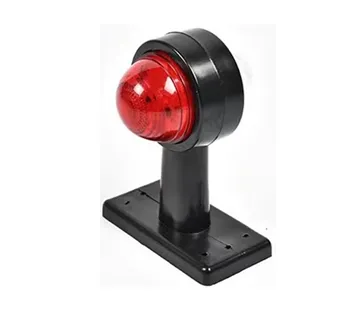
Side-mounted lighting helps eliminate blind areas around the vehicle, especially when navigating narrow trails or uneven terrain. Rear-mounted lights are useful for reversing, camping, loading equipment, and vehicle recovery operations.
Choosing the right mounting location depends on how the vehicle is used. A recreational off-road vehicle may prioritize forward visibility, while a work vehicle may require additional side and rear illumination.
Proper installation also ensures that LED off road lamps remain protected from impacts, water, dust, and vibration during demanding driving conditions.
A personalized lighting system should be designed around the vehicle’s purpose, driving environment, and performance requirements. There is no single lighting configuration that works for every off-road application.
A basic setup may include additional forward lighting for improved nighttime visibility, while advanced configurations may combine multiple lighting types for different situations.
When creating a customized LED off road lighting system, consider the following factors:
Driving Environment: Trail driving, desert exploration, work applications, and recreational use require different lighting solutions.
Lighting Coverage: Combining spot beams and flood beams can provide both long-distance visibility and wider area illumination.
Vehicle Design: The available mounting space and electrical system determine which lighting products are suitable.
Operating Conditions: Outdoor vehicles require durable lights that can handle water, dust, vibration, and temperature changes.
Many enthusiasts choose complete off road light kits because they provide multiple lighting components designed to work together. These kits can simplify installation while creating a more balanced lighting system.
For commercial users, a professional lighting setup can improve efficiency and safety. For adventure vehicles, customized lights for off road vehicles can enhance both functionality and appearance.
A successful upgrade should not focus only on maximum brightness. The best lighting system is one that provides the right amount of illumination for the specific driving environment.
LED off road lights are designed to improve visibility for vehicles operating in challenging environments such as trails, construction areas, and outdoor locations. They provide stronger illumination than standard vehicle lighting systems.
Yes. Offroad LED lights generally offer higher brightness, longer service life, lower power consumption, and better durability compared with traditional lighting technologies.
Spot lights create a focused beam for long-distance visibility, while flood lights provide wider illumination for nearby areas. Many off-road vehicles combine both types to achieve balanced lighting performance.
The right off road light kits depend on vehicle type, driving conditions, required visibility range, and installation location. Users should consider beam pattern, durability, and electrical compatibility before selecting a kit.
Yes. LED off road lamps can be installed on many vehicle types, including trucks, SUVs, ATVs, and utility vehicles. The correct product depends on mounting space and intended application.
 English
 العربية
 русский