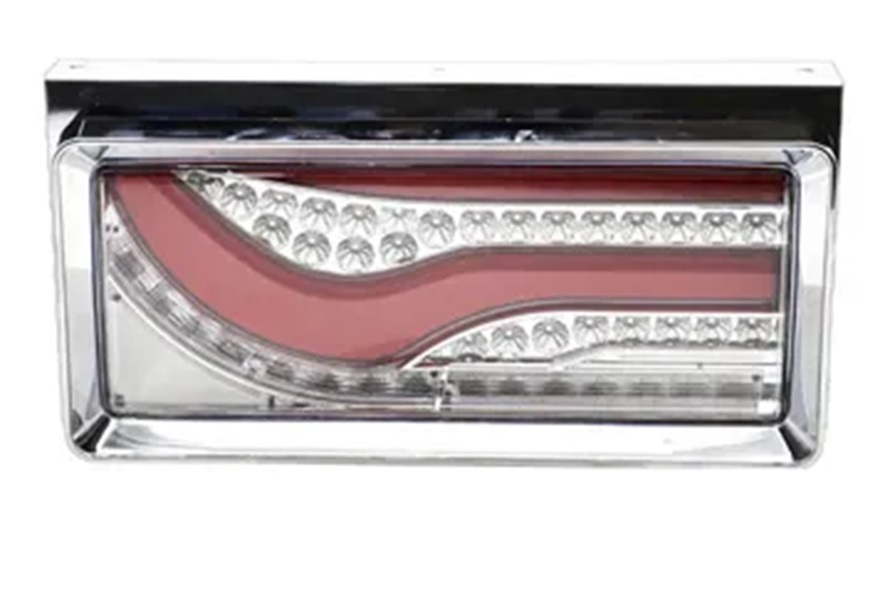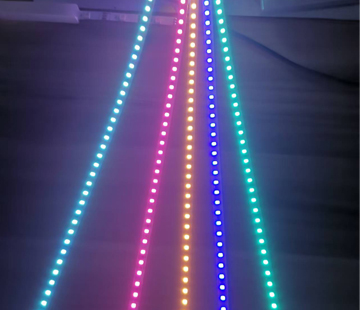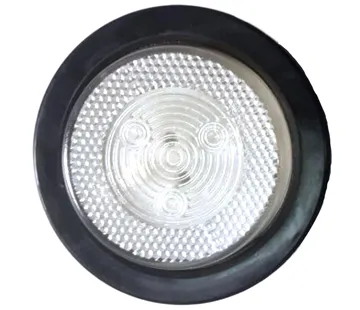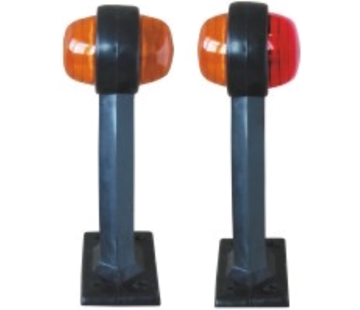
Sustainability has become a central focus in the evolving automotive industry, prompting manufacturers to examine not only the efficiency and safety of their products but also their environmental impact. Tail lights—an essential safety feature on all commercial vehicles—may appear small compared to entire vehicles, yet their production process carries meaningful environmental implications. This article explores how tail lights are manufactured, identifies the key ecological challenges involved, and highlights the innovations and regulatory measures shaping a more sustainable future. It also discusses the long-term environmental consequences of tail light waste and how companies like Hongyuan Auto Parts are leading efforts toward responsible production.
The manufacturing of tail lights typically involves several stages, from material sourcing to final assembly. Production begins with selecting raw materials—commonly high-grade plastics, glass, and metals—chosen for durability and clarity. Precision molding techniques shape these materials into defined forms, followed by assembly processes that integrate the housing, circuitry, and light sources. At Hongyuan Auto Parts, advanced molding technologies and automated inspection systems are used to produce tail lights that balance performance, efficiency, and aesthetics. Each unit undergoes a comprehensive four-stage inspection to ensure it meets both safety and quality benchmarks. With yield rates exceeding 99%, Hongyuan demonstrates that it is possible to maintain world-class manufacturing performance while pursuing environmentally conscious production methods.
Despite recent advancements, the production of tail lights still presents notable environmental challenges. Extracting raw materials strains natural resources and can cause ecosystem disruptions, while production facilities often consume significant amounts of energy and generate waste. Defective components, chemical residues, and non-recyclable by-products all contribute to industrial waste output. A report from the International Council on Clean Transportation identifies the automotive sector as one of the major contributors to manufacturing waste globally. Recognizing this, Hongyuan Auto Parts dedicates roughly 12% of its annual revenue to research and development aimed at improving environmental performance. The company’s focus on energy-efficient LED technologies has also reduced power usage and extended the lifespan of tail lights, ultimately decreasing material waste and maintenance frequency across vehicle fleets.
New technologies and materials are driving a shift toward greener tail light production. Manufacturers are increasingly experimenting with biodegradable plastics and fully recyclable materials to reduce the ecological burden of traditional polymers. Hongyuan, for instance, invests heavily in developing energy-efficient LED tail lights that combine reduced energy consumption with prolonged service life. This not only cuts environmental impact but also enhances safety for drivers. Many companies are also embracing circular economy principles—collecting, refurbishing, and reintegrating used tail lights into production—to minimize landfill waste. These innovations highlight a growing trend where environmental responsibility coexists with high-performance product design, offering a blueprint for a more sustainable automotive industry.
Environmental legislation plays a crucial role in shaping how tail lights are manufactured and disposed of. International regulations now emphasize recyclability, emissions control, and waste management throughout the product lifecycle. One notable example is the European Union’s End-of-Life Vehicles Directive, which requires manufacturers to design automotive components for easier dismantling and recycling. Hongyuan Auto Parts complies with such global standards, integrating eco-friendly materials and optimizing processes to reduce waste and emissions. Through its OEM partnerships, the company assists clients in developing lighting solutions that not only comply with environmental regulations but also contribute to broader sustainability goals—reinforcing its commitment to responsible manufacturing.
Tail light waste poses long-term environmental challenges due to the persistence of synthetic materials. Conventional plastics used in these components can take hundreds of years to decompose, occupying landfill space and releasing harmful microplastics over time. Improper disposal of lights containing electronic components may also introduce hazardous substances into soil and groundwater, risking wildlife and human health. To combat these issues, manufacturers are developing tail lights that can be more easily dismantled and recycled. Hongyuan has taken steps toward this objective by designing products with minimal material complexity and greater recyclability. Encouraging proper end-of-life recycling programs within the industry remains an essential step toward reducing environmental harm.
The production and disposal of tail lights hold significant environmental implications, reflecting the broader sustainability challenges within the automotive sector. As the industry continues to innovate, integrating sustainable materials, efficient production methods, and recycling initiatives has become essential. Companies like Hongyuan Auto Parts are at the forefront of this transformation, investing in eco-friendly manufacturing and regulatory compliance to reduce environmental impact while maintaining exceptional quality. By supporting responsible manufacturing and making informed product choices, both businesses and consumers can play a meaningful role in creating a more sustainable future for the transportation industry. For more information about Hongyuan’s sustainable lighting solutions or their commitment to environmentally responsible production, please visit their official website or contact info@jshungyuen.com.
 English
 العربية
 русский